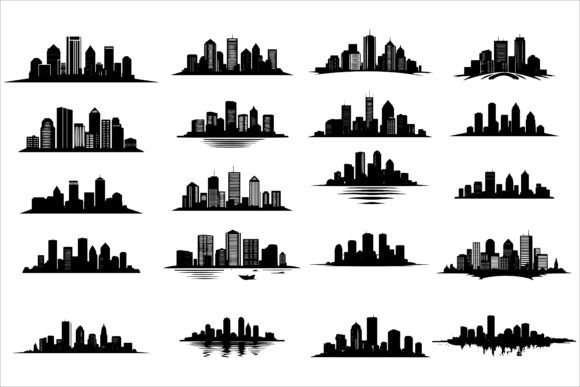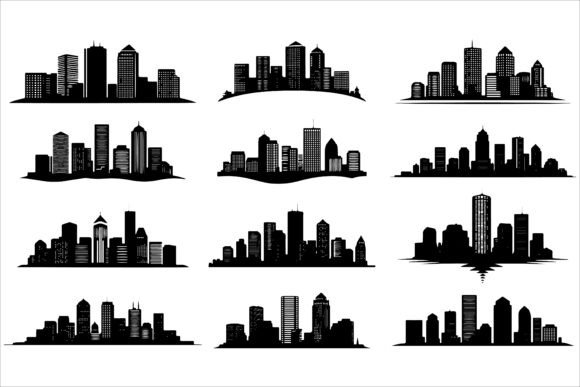
Vector Illustration, Urban Skyline Art: A Modern Design Essential
Vector illustration has become a cornerstone of digital design, offering scalability, clarity, and flexibility. Among the most popular forms is Urban Skyline Art, which captures the essence of cityscapes in a stylized, often minimalist form. These illustrations are not only visually appealing but also highly functional across various industries and platforms. Whether you're a designer, marketer, or business owner, understanding how to choose and use urban skyline vector art effectively can elevate your projects from average to exceptional.
What Is Vector Illustration, Urban Skyline Art?
Vector illustration refers to images created using mathematical equations to define shapes, lines, and colors. Unlike raster graphics (like JPGs or PNGs), vectors maintain crisp edges at any size, making them ideal for both print and digital media. Urban Skyline Art typically features silhouettes of iconic buildings or modern cityscapes, rendered in clean lines and bold contrasts.
This type of art resonates with audiences because it evokes a sense of place and identity. It’s especially popular in travel, architecture, real estate, and lifestyle branding. The silhouette format—a common variant—offers a striking visual without overwhelming detail, making it versatile for many applications.
Common Mistakes When Choosing Urban Skyline Vector Art
Many designers and marketers underestimate the importance of selecting high-quality vector files that match their project needs. Here are some frequent errors and how to avoid them:
- Ignoring File Format Requirements: Not all vector formats are equal. While EPS and SVG are standard for professional printing and editing, others like PNG or JPG may lack the resolution needed for large-scale displays. Always confirm what format works best for your intended use before downloading or purchasing.
- Overlooking Scalability: One of the biggest advantages of vector art is its ability to scale without loss of quality. However, if the artwork includes embedded raster elements (like photos), scaling could result in blurry or pixelated visuals. Make sure the file is 100% vector-based before finalizing your choice.
- Choosing the Wrong Style: Urban skylines come in many styles—from abstract and minimalistic to realistic and detailed. Selecting a style that doesn’t align with your brand or message can confuse your audience. For example, a sleek, black silhouette might be perfect for a tech startup based in a major city, while a more colorful and intricate illustration could suit a tourism brochure.
Misunderstandings About Usage and Licensing
A key misunderstanding involves the licensing terms of vector illustrations. Many people assume that free downloads mean unlimited usage, but this isn't always true. Some sources restrict commercial use, require attribution, or limit redistribution. Before incorporating an urban skyline into your work, always read the licensing agreement carefully.
Another pitfall is assuming all vector files will work seamlessly in every software. While Adobe Illustrator supports most formats, other programs like Inkscape or CorelDRAW may require conversion. Ensure the vector files you download are compatible with your design tools.
Example of a Better Approach
If you’re designing a travel blog header, instead of grabbing the first skyline image you find, look for one that complements your site's color scheme and theme. Check whether the file allows web and commercial use, and verify that it’s fully editable so you can tweak colors or add text as needed.
How Poor Choices Impact Your Project
Poorly chosen urban skyline vector art can lead to several issues:
- Visual inconsistency: Using mismatched or low-quality art can make your designs look unprofessional or cluttered.
- Printing problems: If the vector contains hidden raster layers, printed materials like posters or brochures may appear blurry when enlarged.
- Legal risks: Misusing an image due to unclear licensing terms can lead to copyright disputes, which can be costly and damaging to your reputation.
- Inefficient workflows: Downloading incompatible or poorly structured files can slow down your design process and frustrate clients or team members expecting polished results.
Real-World Scenario
Imagine a real estate agency creating promotional flyers for a luxury apartment complex in downtown Chicago. They opt for a free urban skyline PNG they found online. But since the file lacks proper vector paths, they can’t easily adjust the building heights or add their logo. As a result, the flyer looks generic and fails to stand out among competitors.
A better approach would have been to purchase a high-quality, editable EPS version specifically featuring Chicago landmarks. This would allow customization, ensure print-ready quality, and reflect the unique character of the location.
Best Practices for Using Urban Skyline Vector Art
To get the most out of your urban skyline illustrations, consider these practical tips:
- Match the style to the context: A simple silhouette may work well on a website header, while a layered and detailed vector could enhance a presentation background.
- Check for editability: Open the file in your preferred design software and see if you can modify individual elements like buildings, colors, or text layers.
- Optimize for platform: If the skyline is for a mobile app interface, ensure the design is responsive and doesn’t include unnecessary complexity that could affect load times.
- Respect licensing terms: Even if you don’t plan to sell anything immediately, keep records of your license agreements to prevent future complications.
Examples of Effective Use
City guides often feature urban skyline art in headers and infographics to quickly establish a sense of location. For instance, a guidebook for Tokyo might use a vibrant, colorful skyline to highlight the city’s energy and diversity.
Business cards for architects benefit from subtle skyline elements in the background—something that conveys professionalism without overshadowing contact information. Similarly, social media posts about local events can incorporate skyline silhouettes to create a cohesive visual identity across platforms.
What to Evaluate Before Purchasing or Downloading
Before investing in vector illustration, urban skyline art, ask yourself these questions:
- Will I need to edit the file? If yes, ensure it comes with full vector paths and no hidden raster layers.
- Do I have the right tools to open and manipulate the file? If not, check for compatibility or consider upgrading your software.
- Is the skyline accurate or stylized? For official documents or maps, accuracy matters; for creative uses, stylization adds flair.
- Can I use this for both digital and print purposes? Confirm that the file supports multiple resolutions and formats.
- Does the artist offer different versions or variations? Having options for day/night scenes, color schemes, or seasonal themes can be invaluable for consistency across marketing materials.
Where to Apply Urban Skyline Art Effectively
The beauty of urban skyline vector art lies in its adaptability. Here are some top applications where it shines:
- Website Headers: A dynamic skyline illustration can set the tone for a travel blog or city news site.
- Event Posters: Silhouettes of famous city skylines help instantly identify the event’s location and vibe.
- App Interfaces: Clean, scalable skylines serve as engaging backgrounds for navigation apps or real estate platforms.
- Branding Materials: Logos and stationery for urban businesses often integrate skyline elements subtly to reinforce local connection.
- Wall Art: In offices or co-working spaces, modern skyline prints add sophistication and a touch of city life.
Pro Tip for Marketers
When creating city-specific campaigns, pair the skyline with localized content such as taglines or cultural symbols. For example, a coffee shop in Seattle might use a skyline with Mount Rainier in the background to emphasize its scenic setting. This attention to detail helps build trust and relevance with the target audience.
Learning Resources and Tools
If you're new to working with vector illustration, there are plenty of resources to help you improve your skills. Online tutorials on sites like YouTube or Skillshare can walk you through basic techniques for manipulating skyline art. Additionally, design communities like Behance or Dribbble showcase examples of how professionals integrate urban skylines into their projects.
For those who prefer ready-made solutions, many marketplaces like Adobe Stock, Shutterstock, and Envato Elements offer curated collections of urban skyline vector art. Look for bundles that include multiple formats (EPS, PNG, JPG) and customizable templates to save time and effort.
Choosing the Right Marketplace
Not all stock image sites are equal. Prioritize platforms known for high-quality vector assets and clear licensing policies. Reading user reviews and checking the seller's history can also give you confidence in your purchase. Avoid sites that don’t provide previews or samples of the skyline art you’re considering.
Conclusion
Vector illustration, urban skyline art is a powerful tool in the modern designer’s toolkit. Its flexibility, visual impact, and scalability make it suitable for everything from small business logos to large-scale advertising campaigns. However, choosing the right files and using them wisely is essential to achieving professional results.
By avoiding common mistakes like ignoring licensing, misjudging scalability, or picking the wrong style, you’ll ensure your designs remain sharp, relevant, and legally sound. Always evaluate the file’s quality, compatibility, and fit for purpose before finalizing your selection.
Whether you're a beginner learning the ropes or a seasoned professional looking to streamline your workflow, investing time in understanding how to best apply urban skyline art will pay dividends in the long run. With the right approach, your projects will not only look great but also communicate your message clearly and professionally.