Exploring the Tabla Musical Instrument Icon in Design and Branding
The Tabla Musical Instrument Icon has emerged as a versatile and culturally rich symbol in the world of graphic design. Whether you're an artist, a business owner, or a hobbyist looking to add depth and meaning to your visual projects, this icon offers unique opportunities for expression and customization. In this article, we’ll dive into the characteristics, advantages, and real-world applications of the Tabla Musical Instrument Icon, helping you understand how it can enhance your creative work.
What is the Tabla Musical Instrument Icon?
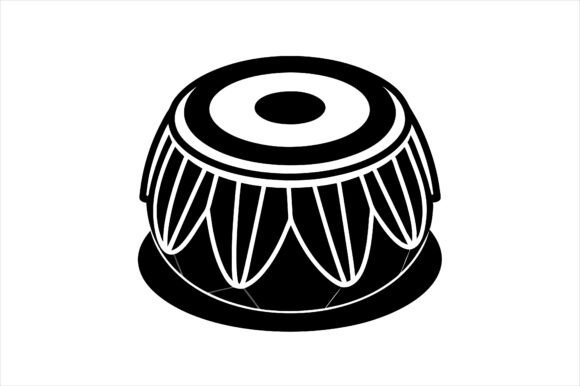
The Tabla is a traditional Indian percussion instrument consisting of two drums — the smaller drum called the dayan and the larger one known as the bayan. The Tabla Musical Instrument Icon represents these drums in stylized form, often used in digital art, branding, and cultural illustrations. It serves as both a decorative element and a meaningful representation of musical heritage, particularly in South Asian contexts.
This icon is designed with attention to detail, capturing the essence of the Tabla through clean lines and recognizable shapes. Its adaptability makes it suitable for various uses, from t-shirt graphics to logo designs and even typography enhancements. As more people seek to incorporate cultural symbols into their work, the Tabla icon stands out for its aesthetic appeal and symbolic value.
Cultural Significance and Symbolism
Beyond its visual attributes, the Tabla Musical Instrument Icon carries deep cultural significance. It reflects the rhythmic complexity and spiritual resonance of classical Indian music. When used in design, it can evoke a sense of tradition, creativity, and global musical appreciation. This dual nature — artistic and symbolic — gives the icon broad appeal across different industries and audiences.
Advantages of Using the Tabla Musical Instrument Icon
When considering the use of the Tabla icon in your design projects, it's important to recognize the benefits it brings:
- High Customization Options: You can easily modify the colors of the Tabla icon to match your brand palette or personal style. This makes it ideal for dark or light backgrounds on t-shirts, mugs, and other merchandise.
- Vector-Based Scalability: Being 100% vector-based, the Tabla icon maintains clarity at any size. This ensures that your designs look professional whether printed on a small sticker or a large billboard.
- Print-Ready Quality: The icon is optimized for print production, eliminating the need for additional adjustments before printing. This is especially useful for creators who want to streamline their workflow.
- Access to Source Files: Many shops provide source files in AI and EPS formats, giving designers full control over the icon’s structure and layout. These formats are preferred by professionals for their flexibility and precision.
- Multiple File Formats Available: Alongside vector files, raster options like JPG are also provided. This allows users to select the format best suited for their specific project needs.
Real-World Use Cases
The Tabla icon finds application in a wide range of fields. Here are some common scenarios where it proves invaluable:
- Musical Merchandise: Musicians and music schools often use the Tabla icon on t-shirts, posters, and promotional materials to highlight their connection to Indian classical music.
- Brand Identity: Companies focused on cultural education, music festivals, or international collaborations may integrate the icon into their logos or marketing campaigns to convey inclusivity and authenticity.
- Graphic Design Projects: Illustrators and typographers use the Tabla icon to create visually engaging compositions, such as album covers, website headers, and social media posts.
- Business Cards and Flyers: Event planners, educators, and performers leverage the Tabla icon to make their branding stand out and communicate their specialization clearly.
- Custom Apparel and Accessories: From mugs to book covers, the Tabla icon adds a unique touch that appeals to those interested in music, culture, and design.
How to Incorporate the Tabla Icon into Your Workflow
Incorporating the Tabla Musical Instrument Icon into your design process requires thoughtful planning. Here are some tips to help you maximize its potential:
First, consider the context in which you’re using the icon. For instance, if you're designing for a music festival, placing the Tabla icon alongside other instruments like the sitar or sarod can reinforce the event's theme. If it's part of a logo, ensure it complements the overall message and tone of the brand.
Next, think about color schemes. Since the Tabla is traditionally associated with earthy tones and intricate patterns, using warm colors like terracotta, indigo, or gold can enhance its visual impact. However, the icon is highly customizable, allowing for bold or minimalist color choices depending on your preference.
Finally, take advantage of the file formats available. Working with AI or EPS files provides the freedom to edit individual elements of the design, while JPGs are convenient for quick sharing or online use. Understanding these formats helps you choose the right one for each stage of your project.
Design Considerations and Best Practices
To get the most out of the Tabla icon, keep the following considerations in mind:
- Balance and Composition: Avoid overcrowding the design. Let the Tabla icon be a focal point or complement it with minimalistic elements to maintain visual harmony.
- Clarity Across Mediums: Test the icon on different surfaces and sizes to ensure it remains legible and aesthetically pleasing. A clear silhouette works best for merchandise like mugs and t-shirts.
- Respect Cultural Context: While the Tabla is a popular motif, it's essential to respect its cultural roots. Misrepresentation should be avoided, especially when targeting culturally aware audiences.
- Typography Integration: Pair the Tabla icon with appropriate fonts to create a cohesive look. Sans-serif fonts tend to modernize the design, while serif fonts may give it a more traditional feel.
Practical Examples of the Tabla Icon in Action
Let’s explore some examples where the Tabla Musical Instrument Icon has been effectively used:
Example 1: Music Education Platform Logo
A company offering online courses in Indian classical music incorporated the Tabla icon into their logo. By using a muted color palette and subtle gradients, they created a professional yet approachable brand identity that resonates with students and educators alike.
Example 2: Festival T-Shirt Design
During an international music festival, organizers featured the Tabla icon on participant t-shirts. They paired it with other global instruments in a collage-style layout, promoting diversity and unity among attendees.
Example 3: Business Card for a Percussion Instructor
An instructor specializing in Tabla lessons included the icon in their business card design. The icon was placed beside their name and contact details, making the card instantly recognizable and thematically consistent.
Why Choose a Tabla Icon Over Other Instruments?
While there are countless musical icons to choose from, the Tabla offers several distinct advantages:
- Its unique shape and symmetry make it instantly identifiable and visually appealing.
- It represents not just music but also rhythm, spirituality, and cultural heritage — adding layers of meaning to your design.
- It's less commonly used than Western instruments, so it stands out in a competitive market.
- It’s adaptable to both traditional and modern aesthetics, fitting a wide array of design styles.
Trends and Future Relevance of the Tabla Icon
As the demand for culturally diverse and globally inspired designs continues to rise, the Tabla Musical Instrument Icon is becoming increasingly relevant. Designers are now blending traditional motifs with contemporary styles to create fresh, meaningful visuals. The Tabla icon fits perfectly into this trend, especially for brands targeting multicultural or global audiences.
Moreover, with the growing interest in world music and cross-cultural collaborations, the Tabla icon is likely to see expanded usage in digital media, educational materials, and fashion. Staying ahead of these trends by incorporating the Tabla into your portfolio or product line can position you as a forward-thinking creator.
Where to Find High-Quality Tabla Icons
If you're ready to start using the Tabla Musical Instrument Icon, you’ll want to ensure you have access to high-quality, professionally crafted versions. Look for shops that offer:
- Multiple file formats (AI, EPS, JPG).
- Detailed and accurate representations of the Tabla.
- Easy-to-edit source files for seamless integration into your projects.
- Clear licensing terms for commercial or personal use.
Such resources allow you to bring the Tabla into your creative space without compromising on quality or flexibility.
Conclusion
The Tabla Musical Instrument Icon is more than just a visual element — it’s a bridge between cultures, a celebration of musical artistry, and a tool for creative expression. With its rich symbolism, adaptability, and professional-grade availability, it's no wonder that designers and businesses are turning to this icon to elevate their work. Whether you're crafting a logo, a t-shirt, or a flyer, the Tabla can add a unique and meaningful dimension to your design.